20 Oct 2026
What is Ammonia Slip and Why Should Data Centre Operators Care?
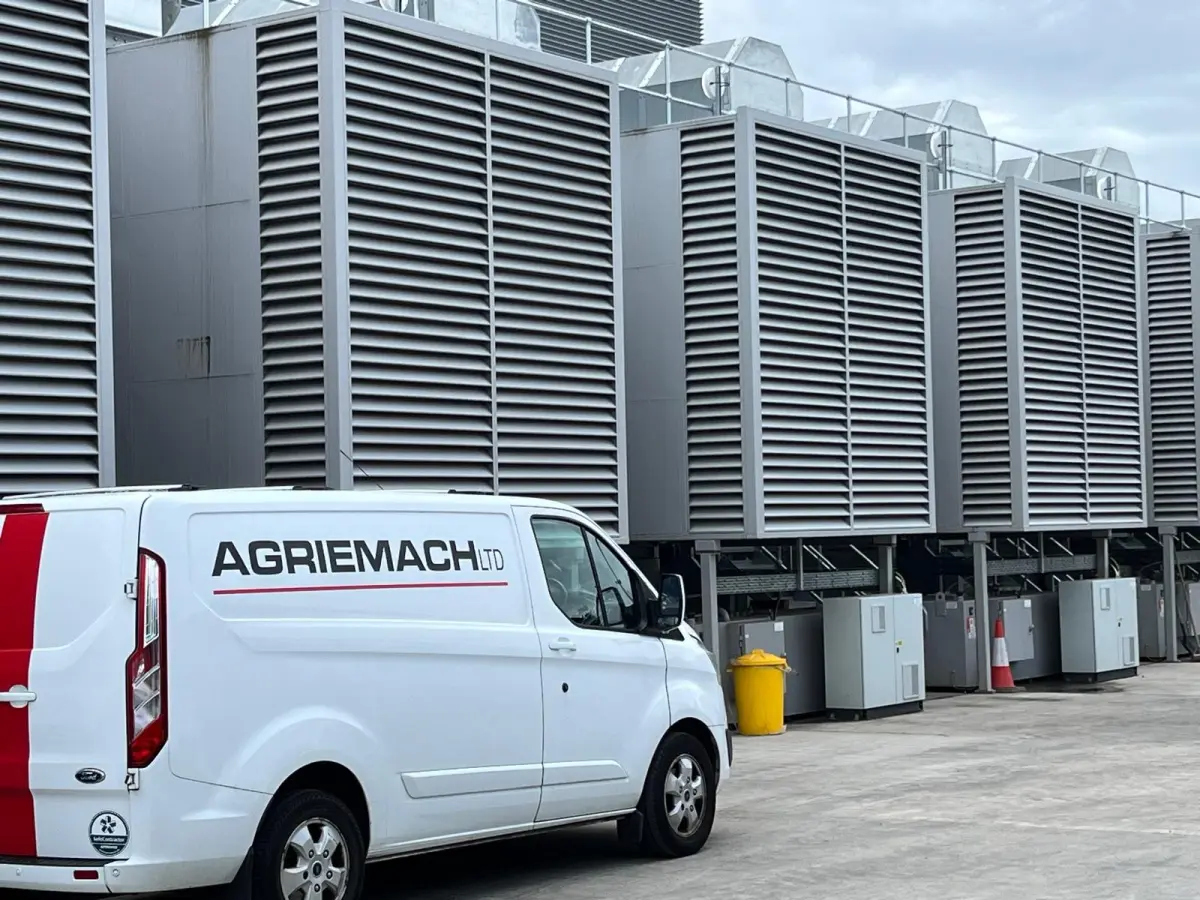
Most people involved in power generation have heard of NOx emissions. Far fewer are familiar with ammonia slip. That may soon change.
Most people involved in power generation have heard of NOx emissions. Far fewer are familiar with ammonia slip.
That may soon change.
Ammonia slip occurs when excess ammonia passes through an SCR system without reacting with the NOx in the exhaust stream. In simple terms, it's the portion of reagent that leaves the stack unused.
While NOx reduction rightly receives most of the attention, focusing solely on NOx can overlook another important measure of SCR performance: how efficiently the reagent is being utilised.
Poor atomisation, inadequate mixing, fluctuating engine loads, or ineffective dosing control can all contribute to ammonia slip.
The result?
✅ Reduced dosing efficiency
✅ Increased operating costs
✅ Potential deposit formation within the exhaust system
✅ Additional environmental considerations
The best SCR systems don't simply reduce NOx.
They reduce NOx while maintaining precise dosing control and minimising ammonia slip across the full operating range of the engine.
As emissions standards continue to evolve, we believe the industry's focus will increasingly move beyond simply achieving a NOx figure and towards demonstrating overall emissions performance.
Our principle has always been central to the design of our NOxMASTER™ SCR systems.
That's why we are confident enough to offer:
✔ Guaranteed no measurable ammonia slip under specified operating conditions
✔ Lifetime injector guarantee
✔ Proven emissions compliance across critical power applications
Because effective emissions control isn't just about what you remove from the exhaust.
It's also about what you don't allow to escape.